
Get in Touch
700 12th Street NW
Suite 700
Washington, DC 20005

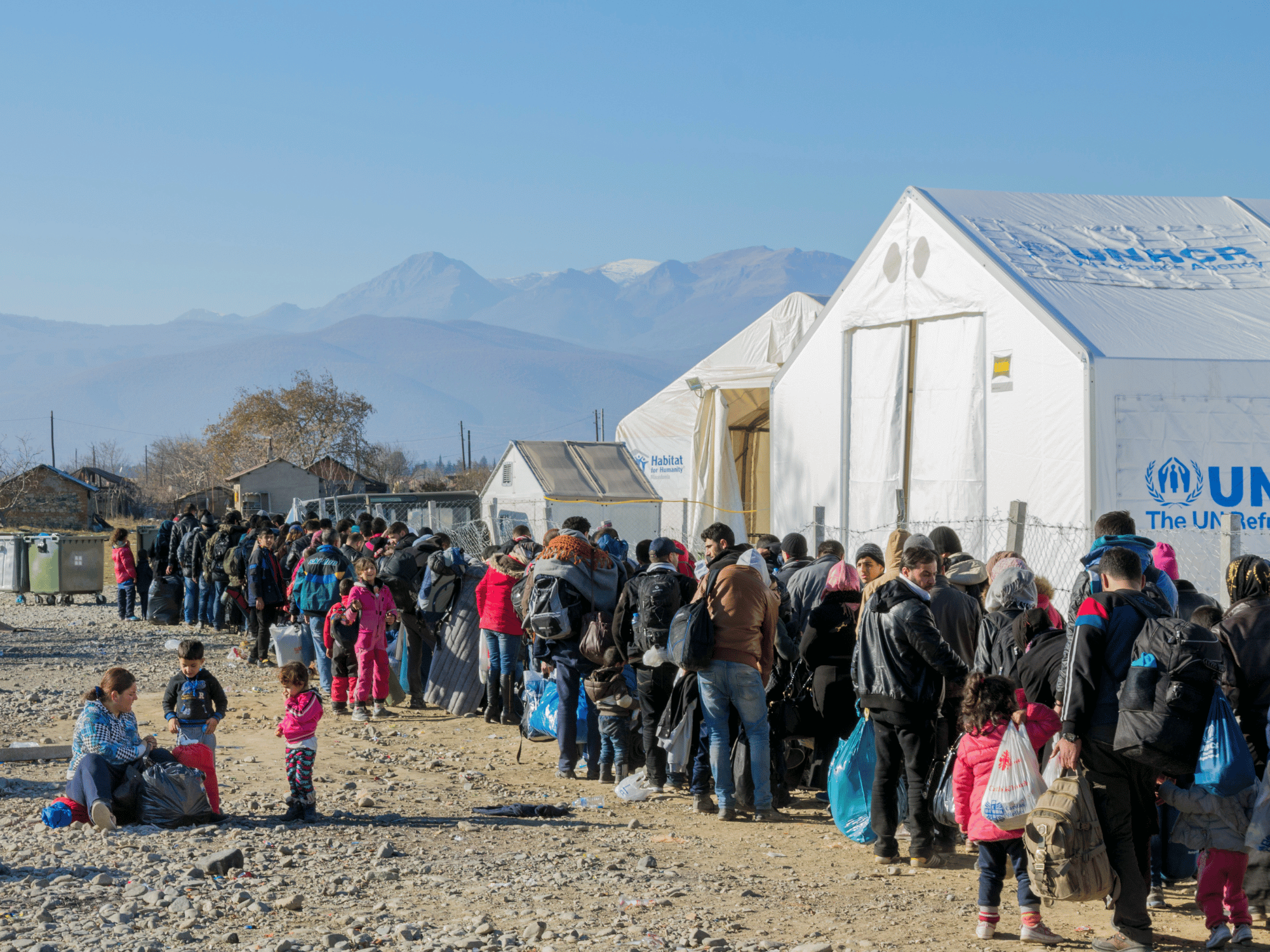
The KonTerra Group does not provide counseling services for children. However, we regularly receive requests for resources to help parents and caregivers support children affected by trauma and war. This page contains links to some trusted resources, in a variety of languages.
Guidance on what to expect, what to do, and when to seek extra help after a frightening or traumatic event, including the death of a loved one.
Helping Children Cope After a Traumatic Event: A Recovery Guide for Parents, Teachers, and Community Leaders (Child Mind Institute)
Practical tips on helping children feel safe, spotting signs of trauma, and knowing when to seek professional help, with advice tailored to each age group:
Available in: English (online), English (PDF), Spanish (online), and Spanish (PDF)
Multilingual Trauma Resources (Child Mind Institute)
Child Mind’s trauma guide for families as downloadable PDFs in 17 languages.
Available in: English, Arabic, Bangla, Chinese, French, German, Greek, Hebrew, Hungarian, Italian, Polish, Portuguese, Russian, Slovak, Spanish, Turkish, and Ukrainian
How to Talk to Your Children About the Death of a Loved One (UNICEF)
How children of different ages understand death, how to share the news honestly, and how to support a grieving child while caring for yourself.
Available in: English
Helping Children with Traumatic Grief: Tips for Caregivers (National Child Traumatic Stress Network)
Short, practical tip sheets for caregivers supporting a grieving child, with separate versions for different ages.
Short, practical guides for starting and continuing honest, age-appropriate conversations when war is in the news or close to home.
How to Talk to Your Children About Conflict and War (UNICEF)
Eight tips for finding out what children already know, keeping conversations calm and age-appropriate, encouraging compassion rather than stigma, focusing on the helpers, and limiting news exposure.
Available in: English, Arabic, French, and Spanish
Talking to Children about War (National Child Traumatic Stress Network)
A caregiver fact sheet on how war can affect children, how to start the conversation, how to handle media coverage, and how to foster resilience.
Available in: English, German, Hungarian, Japanese, Polish, Russian, and Ukrainian
How Do You Talk to Children About War? (Red Cross Red Crescent MHPSS Hub)
A one-page guide for parents and caregivers, whether children are directly affected by conflict or worried about friends and family who are.
Available in: English, Arabic, Polish, Portuguese, Romanian, Russian, Turkish, and Ukrainian
Infographic: Talking to Children about War (Red Cross Red Crescent MHPSS Hub)
A printable poster version of the guide above. Useful for offices, community spaces, and child-friendly areas.
Guidance for families living through conflict, forced to leave home, or separated from loved ones.
Parenting in an Emergency (UNICEF)
A collection of guides for staying safe and supported during emergencies. Articles include:
Collection page available in: English, Arabic, French, and Spanish
Support for Parents and Children During War (UNICEF Ukraine)
Expert advice on mental health, safety, nutrition, and education for families living through war. The Ukrainian-language page carries a much larger library of materials. Selected articles:
Available in: English and Ukrainian
Traumatic Separation and Refugee and Immigrant Children: Tips for Current Caregivers (National Child Traumatic Stress Network)
Practical guidance for caregivers supporting refugee and immigrant children who have experienced sudden or traumatic separation from parents or siblings, including how children of different ages may respond and ways caregivers can help.
Available in: English, Dari, Pashto, Russian, Spanish, and Ukrainian
Coping with Unconfirmed Death for Forcibly Displaced Children and Families: Tips for Caregivers (National Child Traumatic Stress Network)
For families living with the uncertainty of a loved one who is missing or whose death has not been confirmed. Explains how this kind of loss affects children and how caregivers can help.
Available in: English, Arabic, Congolese Swahili, Dari, French, Pashto, Spanish, and Ukrainian
ARABIC Resources on how to Look After Children Through Crisis and Displacement (UNODC)
A short video in Arabic for parents and caregivers and a practical booklet for parents on supporting children during crises.
Stories and activities that help children name their feelings and learn simple ways to cope.
My Hero is You: Supporting Each Other When Wars Come (UNICEF and WHO)
An illustrated storybook for children aged 6–11 affected by armed conflict, developed with input from nearly 1,500 children and caregivers. Designed to be read aloud by an adult, it introduces coping strategies such as slow breathing and imagining a safe place.
Available in: English, Arabic, Dari, Farsi, French, and Kiswahili.
Audio versions are also available.
Displacement and Resettlement Resources (Sesame Workshop)
Free videos, activities, and parent guides for young children (roughly ages 1–6) and families starting over in a new home, including resources on coping with traumatic experiences.
Available in: English, Arabic, Dari, Hebrew, Pashto, Spanish, and Ukrainian
700 12th Street NW
Suite 700
Washington, DC 20005